Blog / Hydraulic Cylinder Knowledge
Wind Turbine Installation Vessel Cylinders: Specification Notes
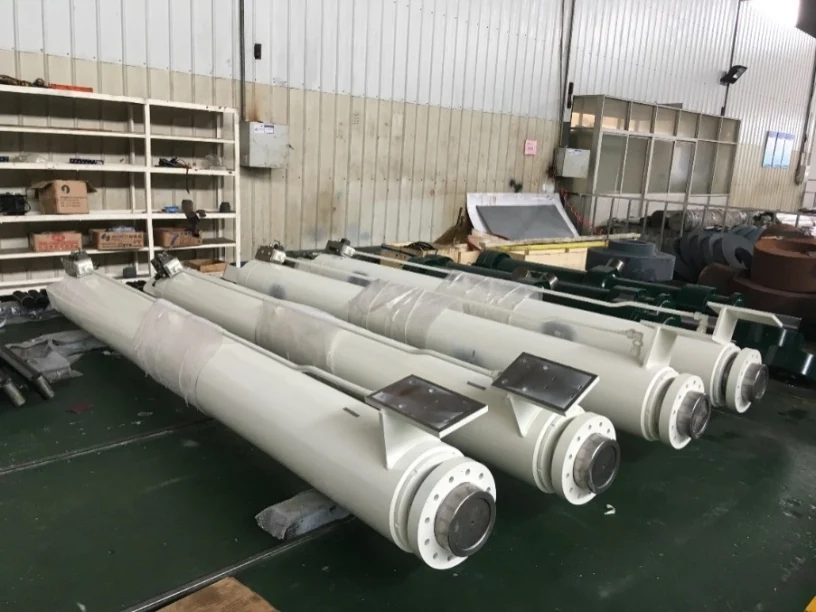
JW’s presentation includes a hydraulic cylinder example for a maritime wind turbine installation vessel. The page lists dimensions, working pressure, materials and surface-treatment options. These details can support an initial enquiry, but the vessel description alone does not identify the cylinder’s exact function in the equipment.
An Example Specification, Not a Series Maximum
The source lists a 400 mm bore, 360 mm rod diameter, 9,000 mm stroke and 50 MPa working pressure without marking these dimensions as maxima. They are therefore presented here as source-listed example values, not as JW’s full manufacturing limits or a stocked model. The listed material and rod-treatment options require selection for the actual project.
| Parameter | Reference information |
|---|---|
| Bore | 400 mm, source-listed example |
| Rod diameter | 360 mm, source-listed example |
| Stroke | 9,000 mm, source-listed example |
| Working pressure | 50 MPa, source-listed example |
| Working temperature | −50 °C to 100 °C, subject to configuration review |
| Cylinder tube material examples | Q345E, Q690E |
| Piston rod material examples | 42CrMo, 17-4PH stainless steel |
| Rod surface-treatment examples | Chrome plating, nickel and chrome plating, ceramic treatment |
| Seal brands listed in the source | TRELLEBORG, PARKER, MERKEL; selection to be agreed |
Identify the Equipment Function
The application topics below are engineering considerations, not a mandatory enquiry checklist. Your design drawings are the required starting point; operating conditions are helpful if available.
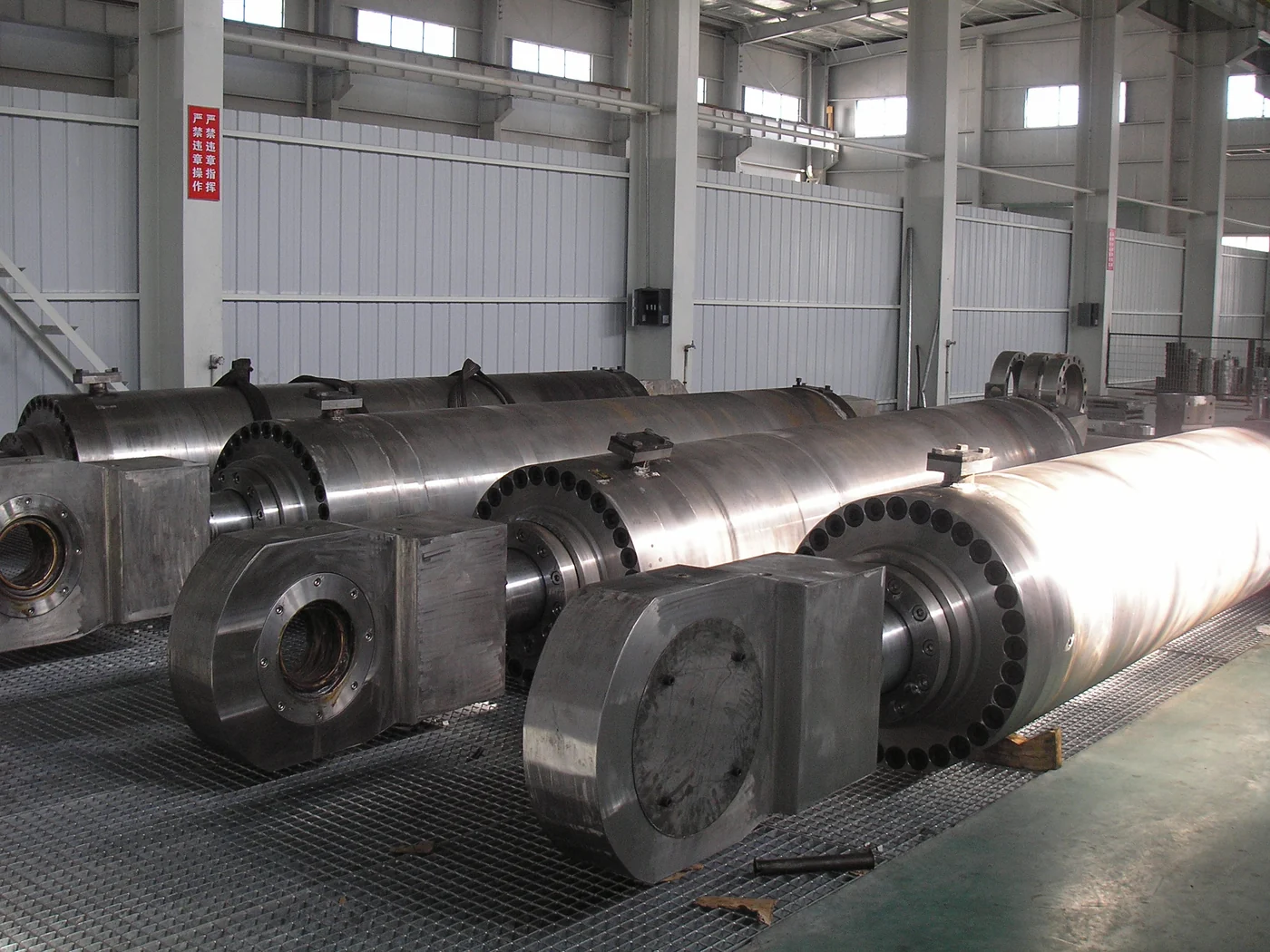
The vessel equipment drawing establishes what the cylinder moves or supports. The example should not be assumed to be a jacking, lifting or compensation cylinder unless the project drawing establishes that function. Engineering review considers the design movement and the normal, peak or other specified load cases shown in the project requirements.
Working and peak pressure, stroke, closed and extended dimensions, mounting and rod-end connections are reviewed against the design drawings. Installation space and support conditions are considered as part of that review. Hydraulic fluid, movement speed and duty cycle information are helpful if available.
Review Interfaces and Environmental Requirements
For a new OEM assembly or a replacement, the customer design drawings define the interfaces for the cylinder proposal. Valve connections, sensors, ports and access are reviewed against that design. Service history and the reason for changing an existing cylinder are helpful context if available.
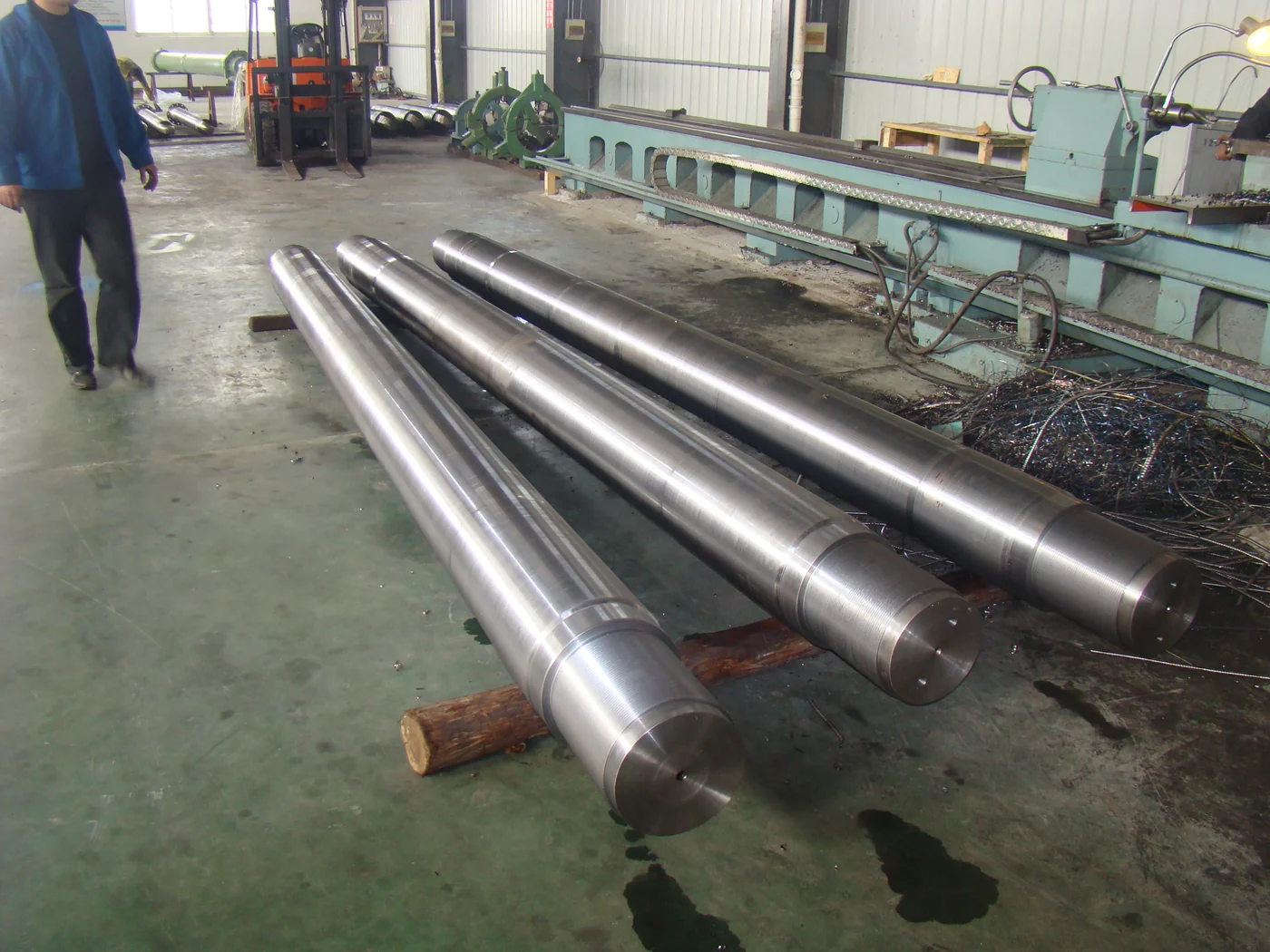
Available information about temperature and marine exposure helps evaluate materials, rod treatments, seals and corrosion protection. Classification-society or customer approval requirements are reviewed against the project scope; the product presentation is not evidence of project-specific approval.
Agree the Acceptance Scope
JW coordinates drawing approval, inspection points, test conditions and acceptance records with the customer during the project review. The engineering and quality workflow explains the review process. For other configurations, explore the hydraulic cylinder application range and submit the project information through Request a Quote.
Start Your Enquiry with Your Design Drawings
Enquiries are welcome in any format. Please email your design drawings to info@jwindustrialsolutions.com; drawings are required for quotation and manufacture. You do not need to repeat information already shown on the drawings. Operating conditions, including the working environment and frequency of use, are helpful if available. A dedicated specialist will follow up by email.
See the hydraulic cylinder order process: quotation from your drawings, order confirmation, detailed drawing approval, production, factory inspection and delivery documentation.
Send a cylinder enquiry or explore the JW hydraulic cylinder range.
Specification source: JW hydraulic-cylinder product presentation, marine application section. This article provides application and enquiry guidance. It does not identify a completed customer installation or replace the approved project drawing.