Blog / Hydraulic Cylinder Knowledge
Hatch Cover and Dredger Cylinders: Application Requirements
JW’s presentation groups marine hatch cover and dredger hydraulic cylinders on one product page. The design drawings establish whether the project concerns a hatch cover mechanism, a dredger assembly or another vessel mechanism. JW reviews the arrangement and interfaces from those drawings; operating information is helpful if available.
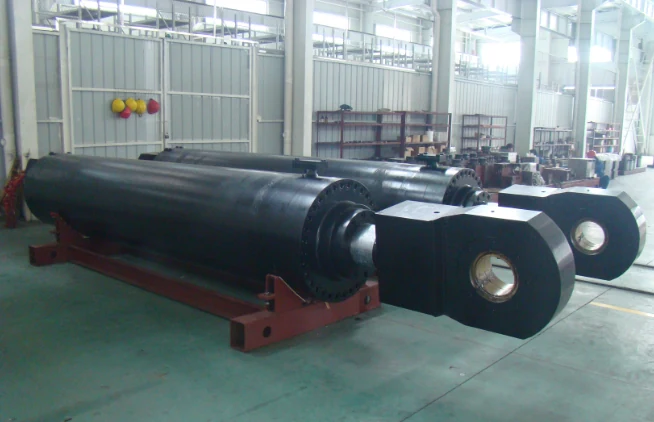
General Specifications and Project Scope
The following values come from the presentation’s general specification list. Bore, rod diameter, stroke and pressure are separate source-listed maxima, rather than a combined cylinder rating. Materials and surface treatments are alternatives for review. The listed temperature range also depends on the agreed configuration. Confirm the required combination through a project-specific specification and drawing.
| Parameter | Reference information |
|---|---|
| Bore | 1,200 mm maximum, listed separately |
| Rod diameter | 800 mm maximum, listed separately |
| Stroke | 12,000 mm maximum, listed separately |
| Working pressure | 70 MPa maximum, listed separately |
| Working temperature | −50 °C to 100 °C, subject to configuration review |
| Cylinder material examples | Q345D, Q690E |
| Piston rod material examples | 40CrMo, 2205 duplex stainless steel |
| Rod surface-treatment examples | Chrome plating, nickel and chrome plating |
| Seal brands listed in the source | TRELLEBORG, PARKER, MERKEL; selection to be agreed |
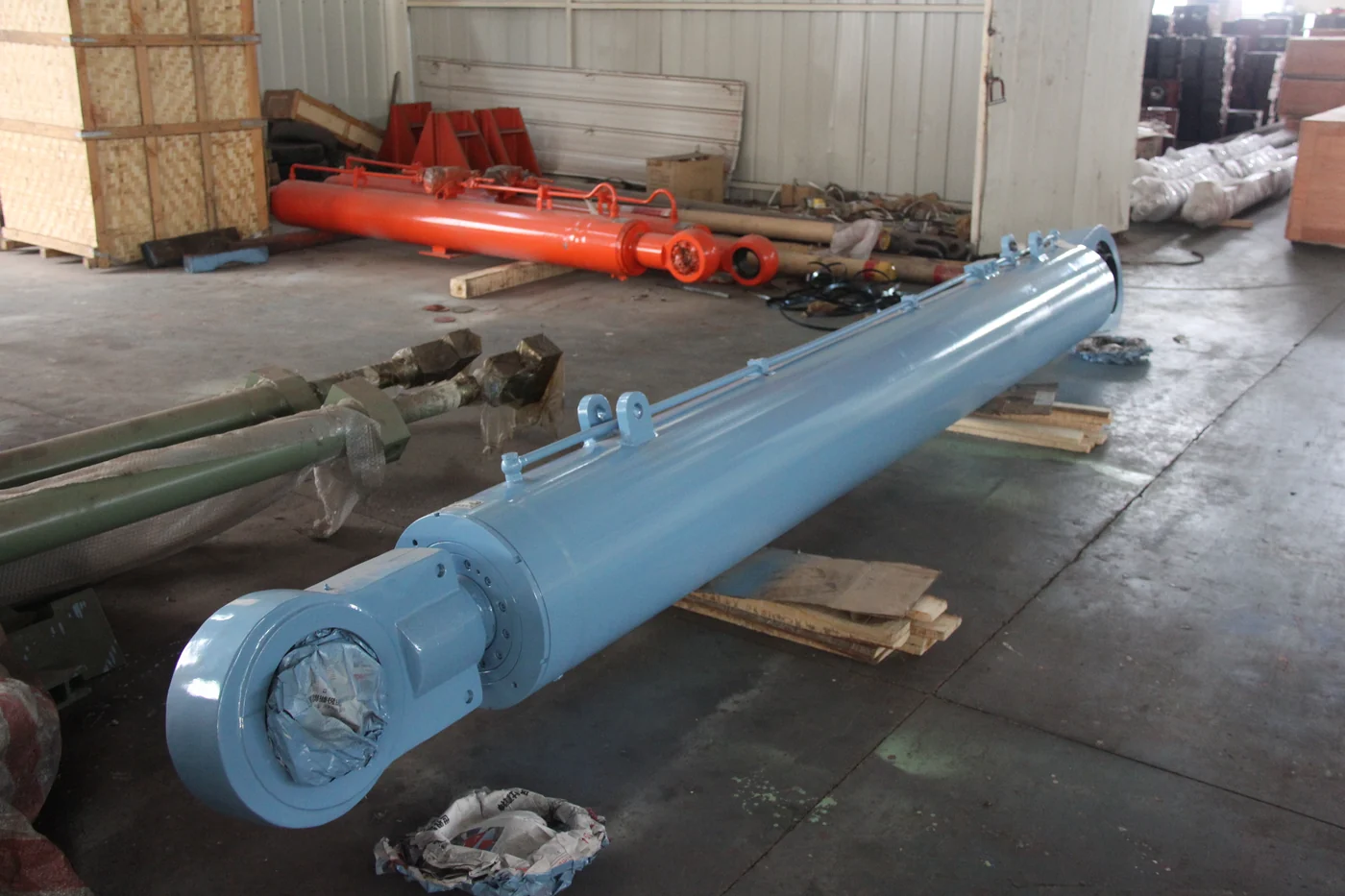
Questions for a Hatch Cover Cylinder Enquiry
The application topics below are engineering considerations, not a mandatory enquiry checklist. Your design drawings are the required starting point; operating conditions are helpful if available.
A hatch cover drawing review considers the cylinder’s position in the mechanism, design movement, loads and mounting reactions. The stroke, installation envelope, connection geometry and interfaces with other cylinders or controls are reviewed from the drawings. Operating sequence information can support that review if available.
For recurring leakage, damage or a discontinued component, the design drawings remain the basis for replacement review. Symptoms and service history are helpful additional context if available.
Questions for a Dredger Cylinder Enquiry
A dredger cylinder is reviewed for the particular mechanism shown on the drawings, rather than the vessel type alone. The review considers design pressures, loads and movement. Available operating information, such as duty cycle, seawater or abrasive exposure, hydraulic fluid and temperature, can help evaluate protection and maintenance needs.
The drawings provide mounting, port and interface details for compatibility review. Any technical clarification identified during that review is handled directly with the customer by email.
Documentation for Purchasing and Acceptance
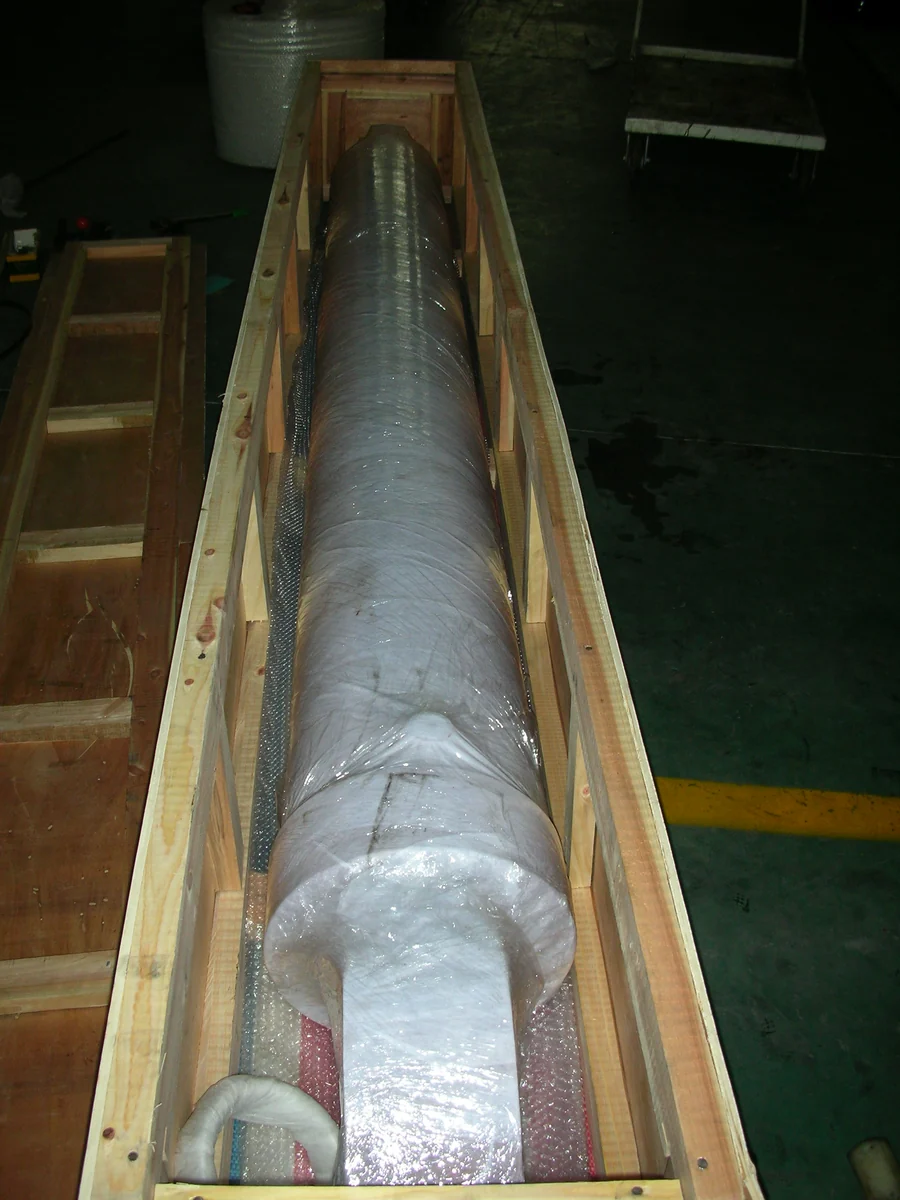
Customer or classification-society requirements are reviewed against the project scope. Inspection and test records, drawing approval and material requirements are coordinated directly with the customer. JW’s engineering and quality page outlines the review topics. See the hydraulic cylinder overview for related applications, or send the available information through Request a Quote.
Start Your Enquiry with Your Design Drawings
Enquiries are welcome in any format. Please email your design drawings to info@jwindustrialsolutions.com; drawings are required for quotation and manufacture. You do not need to repeat information already shown on the drawings. Operating conditions, including the working environment and frequency of use, are helpful if available. A dedicated specialist will follow up by email.
See the hydraulic cylinder order process: quotation from your drawings, order confirmation, detailed drawing approval, production, factory inspection and delivery documentation.
Send a cylinder enquiry or explore the JW hydraulic cylinder range.
Specification source: JW hydraulic-cylinder product presentation, marine application section. This article provides application and enquiry guidance. It does not identify a completed customer installation or replace the approved project drawing.